Seed System Security Assessment, Bauchi State, Nigeria
What does it actually take for a farmer to plant the right seed, at the right time, in a season that keeps changing the rules?
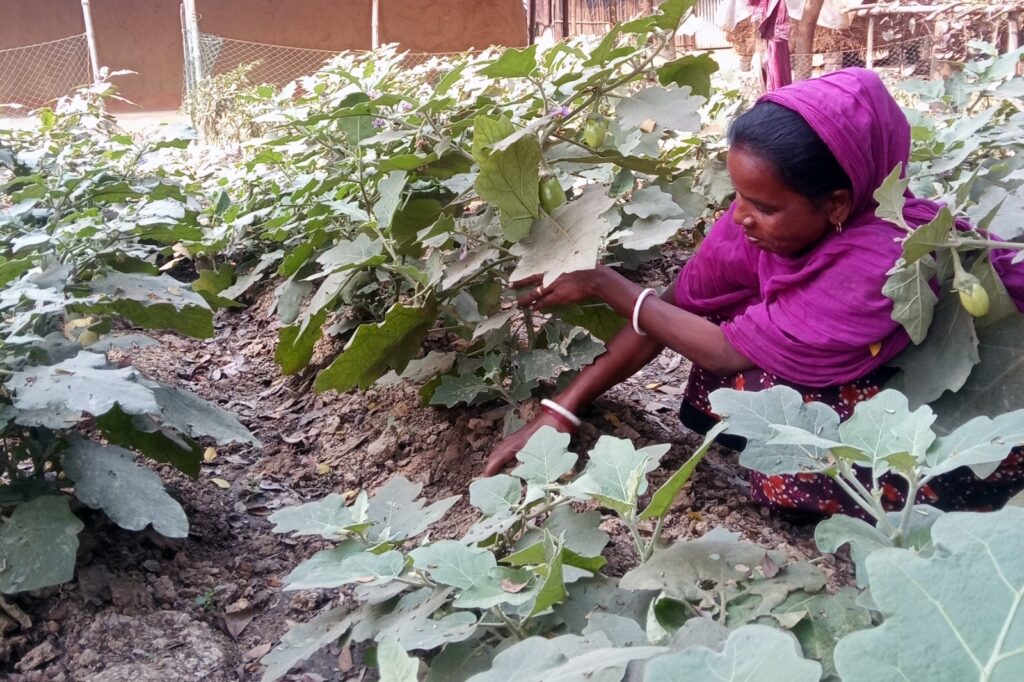
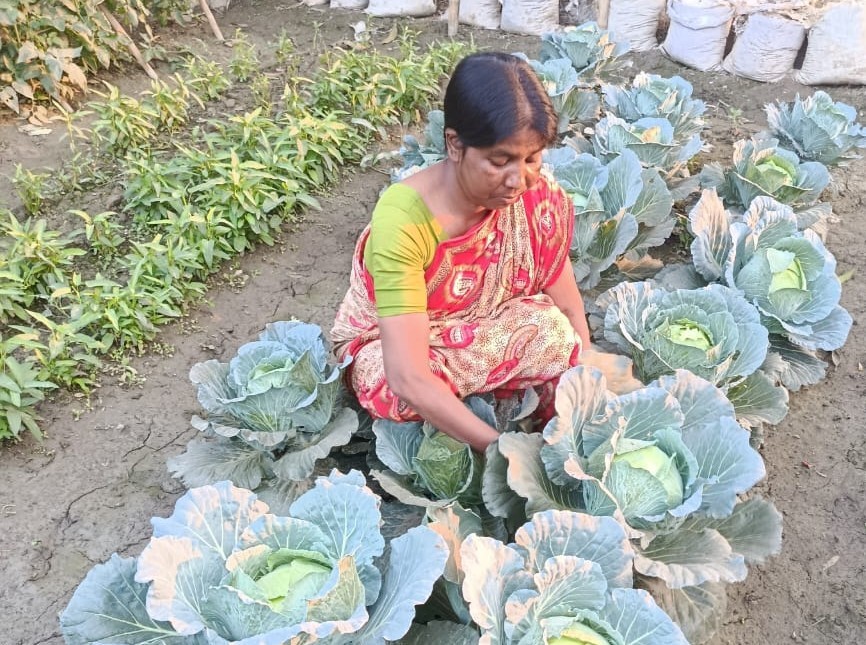
In Bauchi State, smallholder farmers are navigating drier seasons, thinner markets, and rising insecurity, all while making one quietly decisive choice each year: what to plant, and where that seed comes from. This Seed System Security Assessment (SSSA) goes into the fields of Ningi and Shira to find out how that choice really gets made.
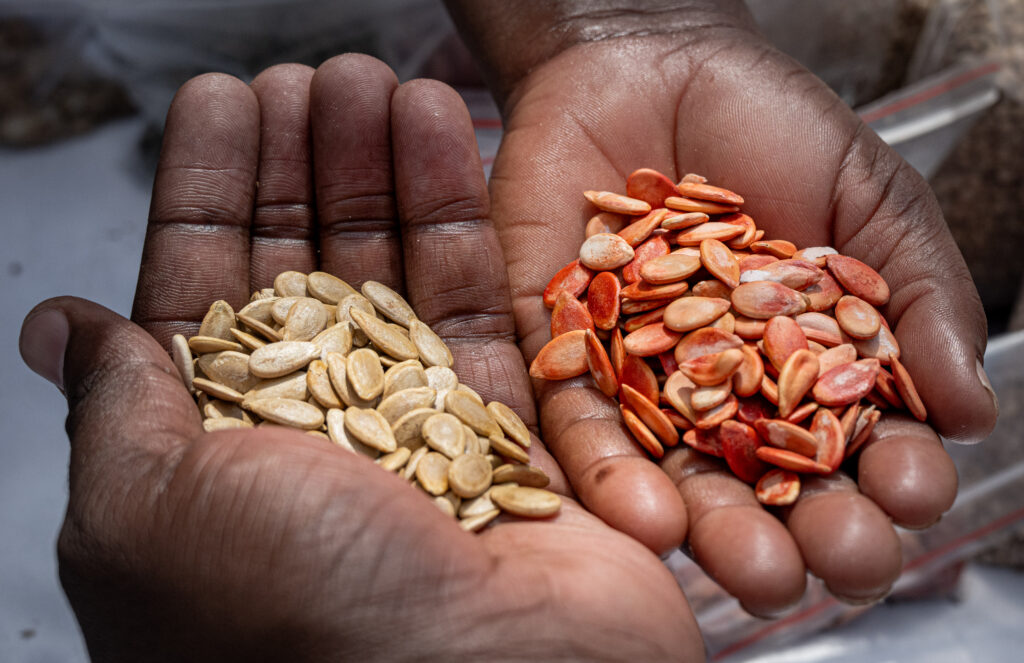
Drawing on direct field research, the report follows seed through every channel farmers rely on, what they save, swap, buy, and sow, and maps the strengths and fault lines of both formal and farmer-managed seed systems. The result is a grounded picture of seed security on the ground, not assumptions made from a distance.
What the Evidence Shows
Most farmers still get their seed the way they always have: from their own stores, local markets, and the people they trust. That resilience is real, but it isn’t the whole story. Patchy access to quality seed, fragile market infrastructure, persistent gender gaps, and mounting climate pressure are all quietly chipping away at productivity and livelihoods.
The report doesn’t stop at the problems. It points to concrete openings: strengthening local seed markets, backing community-based seed production, and widening access to diverse, climate-adapted varieties that can stand up to the next hard season.
A Smarter Question Than “Is There a Shortage?”
After a shock, the reflex is to assume farmers have run out of seed and to ship in more. This assessment asks a sharper set of questions instead: Is seed available? Is it affordable? Is the quality there? Are the varieties actually suited to the conditions?
Answering those questions lets decision-makers design interventions that build on what’s already working, reinforcing local systems and reducing the cycle of repeated seed handouts.
Who This Report Is For
- Humanitarian agencies shaping seed assistance programmes
- Governments and policymakers working on food security and agricultural development
- Seed companies, agro-dealers, and sector professionals mapping market opportunity
- Researchers and practitioners focused on climate resilience and rural livelihoods
Inside the Report
- Seed security and resilience across northern Nigeria
- How farmer-managed and formal seed systems work, and where they fall short
- The intersecting pressures of climate change, insecurity, and rural livelihoods
- Crop diversity and varietal adoption
- Local seed markets and the case for community-based production
- Gender and the uneven road to quality seed
- Clear recommendations for humanitarian and development programming
Resilient food systems start with resilient seed systems. Download the report for the full evidence, findings, and actionable recommendations—for Bauchi State, and far beyond it.