a story from Kachewere, Malawi
Margret Kachule Is Inspiring Change Through Agroecology
This story is shared by Martina Huber following her inspiring visit to Margret’s farm.
When I visited Malawi in February 2026, I had the pleasure of meeting Margret Kachule, a 33-year-old mother of three who lives with her husband and children in Kachewere. Two years ago, Margret joined the Farmer Field School (FFS) in her community. Since then, she has become an agroecology champion farmer, sharing her knowledge and inspiring others to adopt more sustainable farming practices.
The Farm,
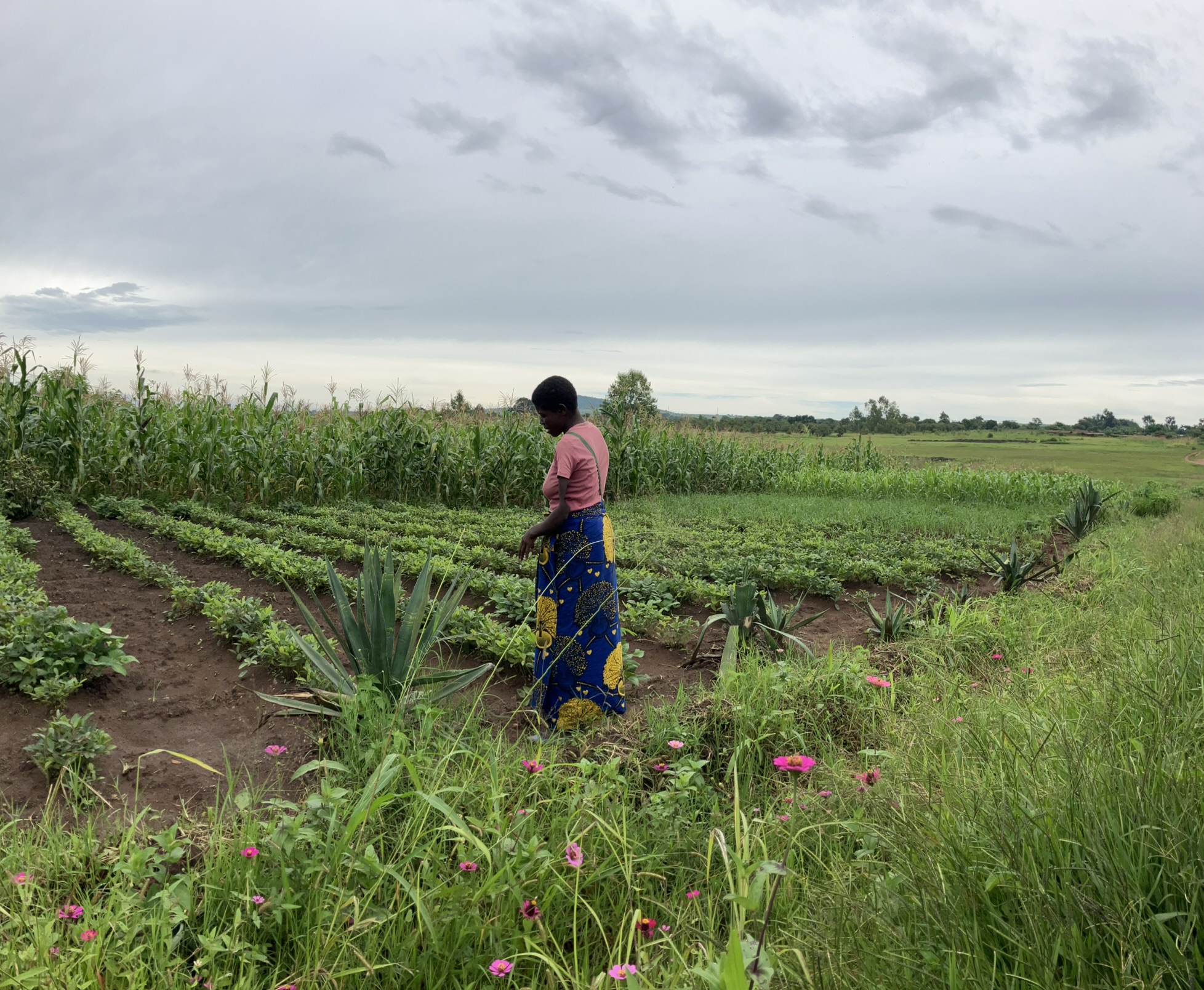
A field full of diversity
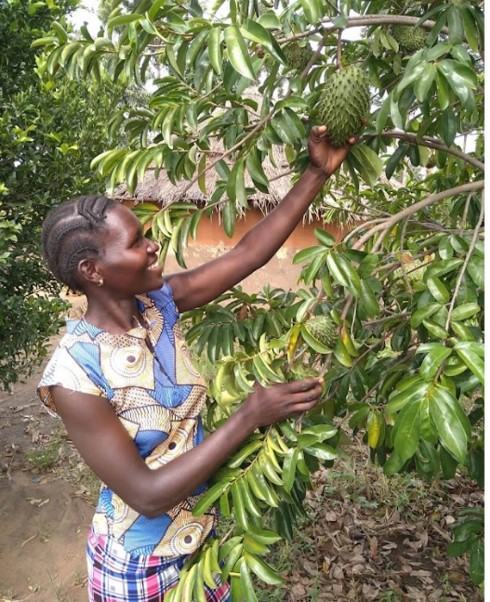
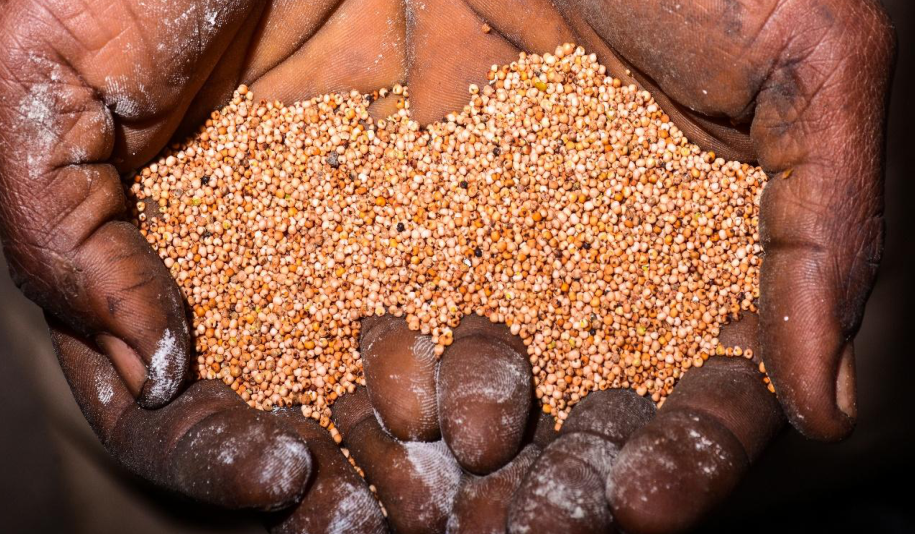
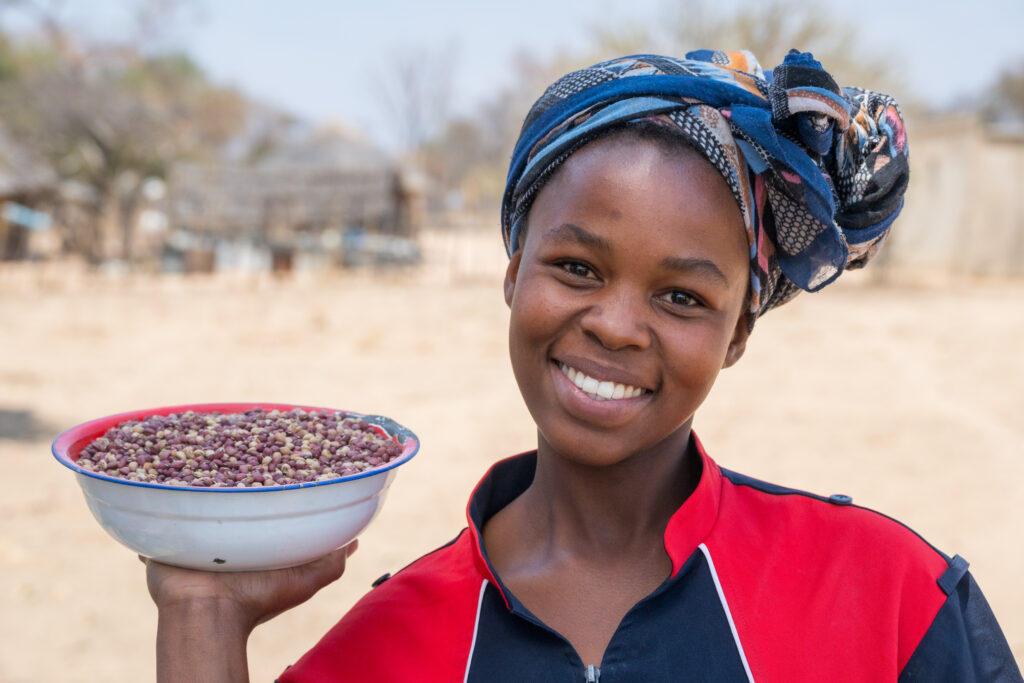
During our visit, Margret proudly showed us her field, where a remarkable diversity of crops and plants grows side by side. Alongside staple crops, she cultivates local food plants, species used to prepare natural fertilizers and plant-based pest management products, and flowers that attract pollinators.Her approach challenges the widespread reliance on maize monocultures in Malawi. Although maize remains an important staple crop, Margret dedicates only a small part of her field to it. Instead, she gives equal space to finger millet and sorghum, both of which play an important role in her farming system and household diet.She also grows groundnuts and Bambara nuts. These legumes provide nutritious food for her family while helping to improve soil fertility.
At the boundaries of her field, hibiscus plants serve several purposes. Margret uses the leaves to prepare relish and the flowers to make refreshing juice. Nothing goes to waste: different plants contribute to her family’s nutrition, the health of her soil, or the diversity of her farm.
Nothing goes to waste.
the soil
Working with nature to nourish the soil
Margret also makes use of plants to support soil health and manage weeds naturally. She grinds the leaves of Tephrosia, mixes them with water, and uses the preparation in her farming practices as a natural fertiliser and herbicide.
Between the rows of sorghum, she grows okra and sweet potatoes. Both the leaves and the fruits of these plants contribute to her family’s diet. The leaves, in particular, are a valuable source of iron, helping to increase the nutritional diversity of the meals she prepares.
By combining different crops and making use of locally available plants, Margret demonstrates how agroecological practices can support biodiversity, soil fertility, and household food and nutrition security.
the kitchen
A more nutritious staple food
One of the most striking aspects of Margret’s approach is something that happens in her kitchen.
In Malawi, Nshima is the staple food and is commonly eaten three times a day. It is traditionally prepared from white maize flour, but Margret makes hers from Sorghum instead, offering her family a more diverse and nutritious alternative.
When I asked whether she had found it difficult to convince her family to make the change, she smiled and replied:
“No, we even prefer it, because it tastes special! And I didn’t have to convince them. We all felt it when we ate the nshima I had prepared from sorghum: we woke up in the morning and still felt full!”
the community
Sharing knowledge and inspiring others
Today, Margret works as an agroecology champion farmer, sharing what she has learned with people in her community.
Her field is a living demonstration of agroecology in practice.
Her beautiful, diverse field is more than a place to grow food. Every day she explains how to use different plants, shows visitors the benefits of crop diversity, and shares her family’s experience with sorghum-based nshima, doing anything she can to make agroecological knowledge accessible and practical.
Agroecology is more than how we grow food. It is also about how we nourish our families, care for our land, and inspire others to create more diverse and resilient farming systems.