If there is no seed, there is no food: Oxfam Novib and Utrecht University on farmer-managed seed systems
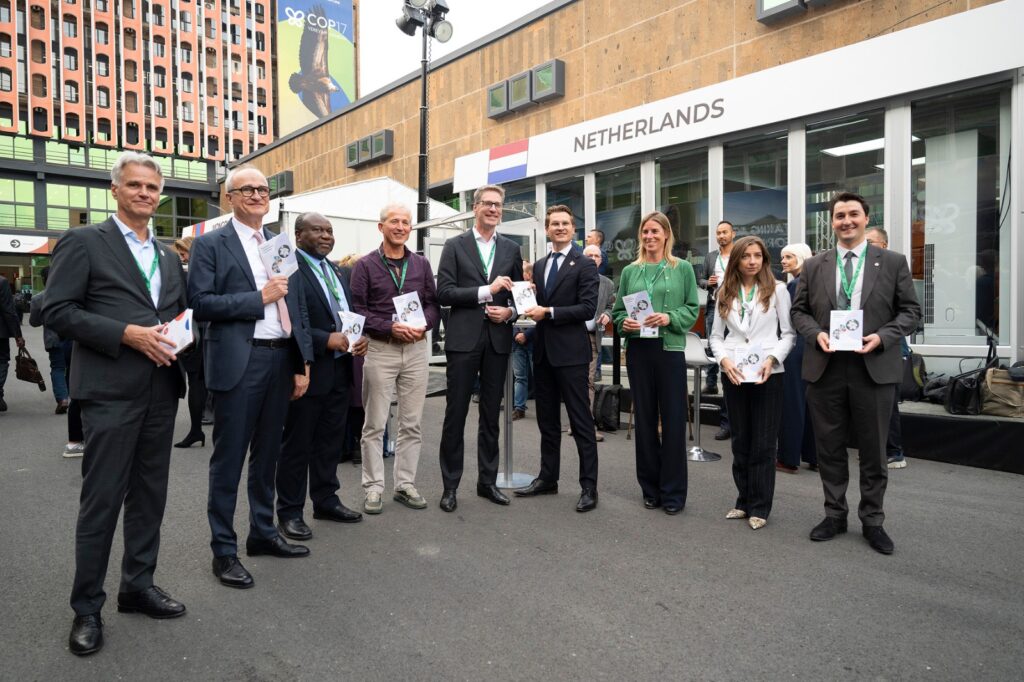
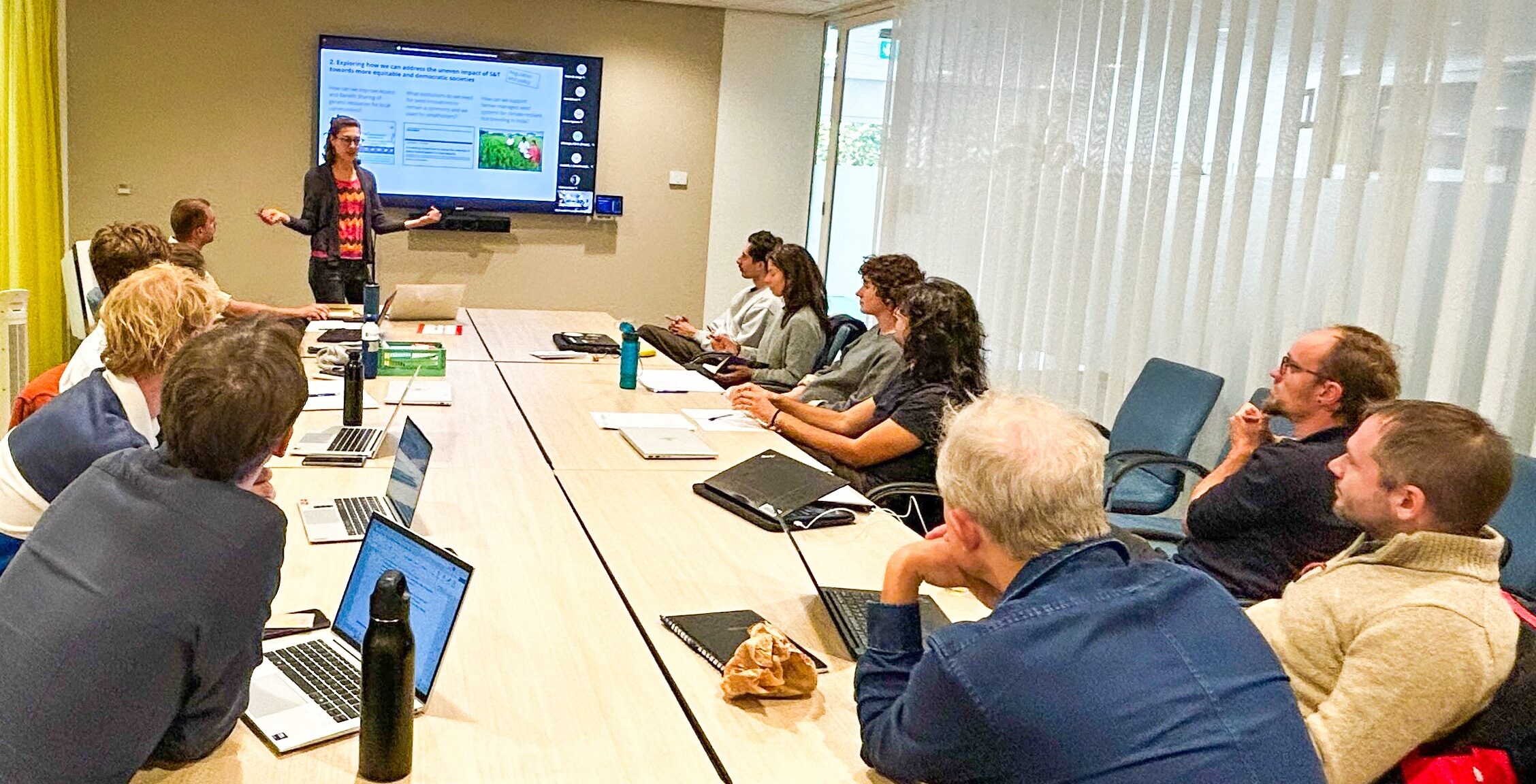
“If there is no seed, there is no food.” That idea sat at the center of a workshop on 15 October 2026, when the Oxfam Novib Seeds for Resilience team and members from SeedNL met researchers from the Copernicus Institute of Sustainable Development at Utrecht University for an afternoon on farmer-managed seed systems and ownership of genetic resources in just agri-food systems.
The Seeds for Resilience team supports Indigenous peoples and smallholder farmers in securing their farmers’ rights, and in gaining the opportunity to access, adapt and use diverse and local crops to improve their food and nutrition security in a changing climate. The Copernicus Institute’s Technology, Agriculture, Society and Knowledge (TASK) group studies how agricultural science and technology shape society, and how society shapes them in return. The workshop brought the two sides together to get to know each other’s work and to test ideas.
Seeds, ownership and justice
The first session asked who owns seeds and the genetic resources they carry. The legal picture is complex: access and benefit-sharing rules under the CBD Nagoya Protocol and the FAO Plant Treaty, patents, plant breeders’ rights and farmers’ rights are all layered on top of each other. Critics point out that breeders’ rights are strong while farmers’ rights are limited. The session also noted that being able to benefit from a seed depends on more than a legal right. It also takes knowledge, technology, labor and capital.
“We don’t want benefits, we want rights.”
A demand from farmers’ organizations, raised during the discussion
Oxfam supports and promotes Farmers’ Rights: the right of farmers and Indigenous peoples to save, use and exchange seed, to take part in decisions about seed governance and agricultural biodiversity, to have their knowledge protected, and to share fairly in the benefits of the use of genetic resources. Oxfam speaks out and informs policy discussions at the FAO Plant Treaty and CBD, in debates on balancing breeders’ and farmers’ rights, and against patents on seeds and plant traits.
Oxfam advocates for low- and middle-income countries to strike the right balance between Breeders’ Rights and Farmers’ Rights: they should be able to design their own tailored sui generis plant variety protection laws that allow breeders to enjoy legal protection of their innovations while acknowledging, respecting and upholding farmers’ rights.
From concept to practice
The programme has seen this play out in practice. Oxfam has been elaborating the concept of farmer variety registration over the past eight years, with tentative lessons learned captured in an academic paper in 2025. Meanwhile, Uganda is drafting a policy framework for registering farmer varieties. In Zambia, Oxfam and partners have been advocating for the inclusion of farmers’ rights in a draft seed bill, and Peru recognizes native seeds as patrimony in its national seed law.
Enabling farmer-managed seed systems
The second session turned to enabling farmer-managed seed systems, including community seed banks where farmers have control and rights over their seeds and use mainly local varieties, Indigenous knowledge and their own customary rules. Based on a prior survey of participants, the session set out four societal impacts to work towards:
- Farmer-managed seed systems are recognized as a legitimate part of plural seed systems.
- Laws and public support let them grow instead of criminalizing them.
- Farmers’ priorities shape public research and breeding.
- Farmers hold real collective authority over their seeds and seed knowledge.
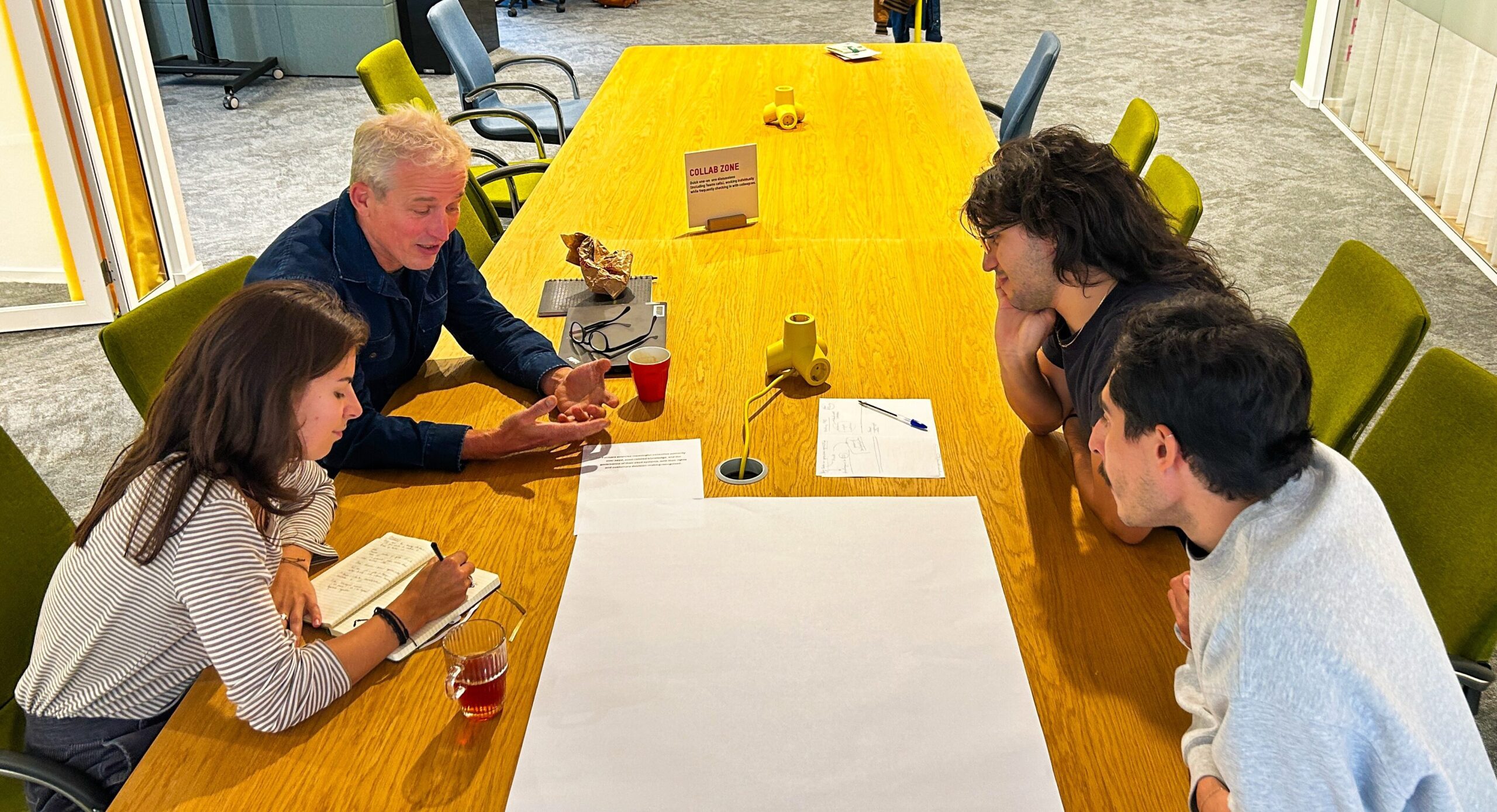
Participants then worked on the steps of an impact pathway towards this future: from the activities people carry out, to the outputs those produce, to the outcomes they lead to, and finally the societal impact.
Looking deeper at the why
The afternoon closed with a reflection on what had surprised people, and whether anyone had changed their view on farmer-managed seed systems, on the other stakeholders in the room, and on what valuable impact looks like. Important questions were raised, such as whether to focus more on national legal frameworks or on the global scale.
One of the main conclusions: at Oxfam, we do a lot of groundwork and advocacy, and underneath it all lie our principles. It is good to take a moment, once in a while, to look critically at what we are actually trying to achieve. This session helped bring to the surface why we do our work.
“In a room filled with people coming from different backgrounds, having these conversations felt surprisingly natural. It felt like a warm bath.”
Workshop participant
The common goal unites us, and we will certainly meet again.